Cultural Exchange
Sustainable farming
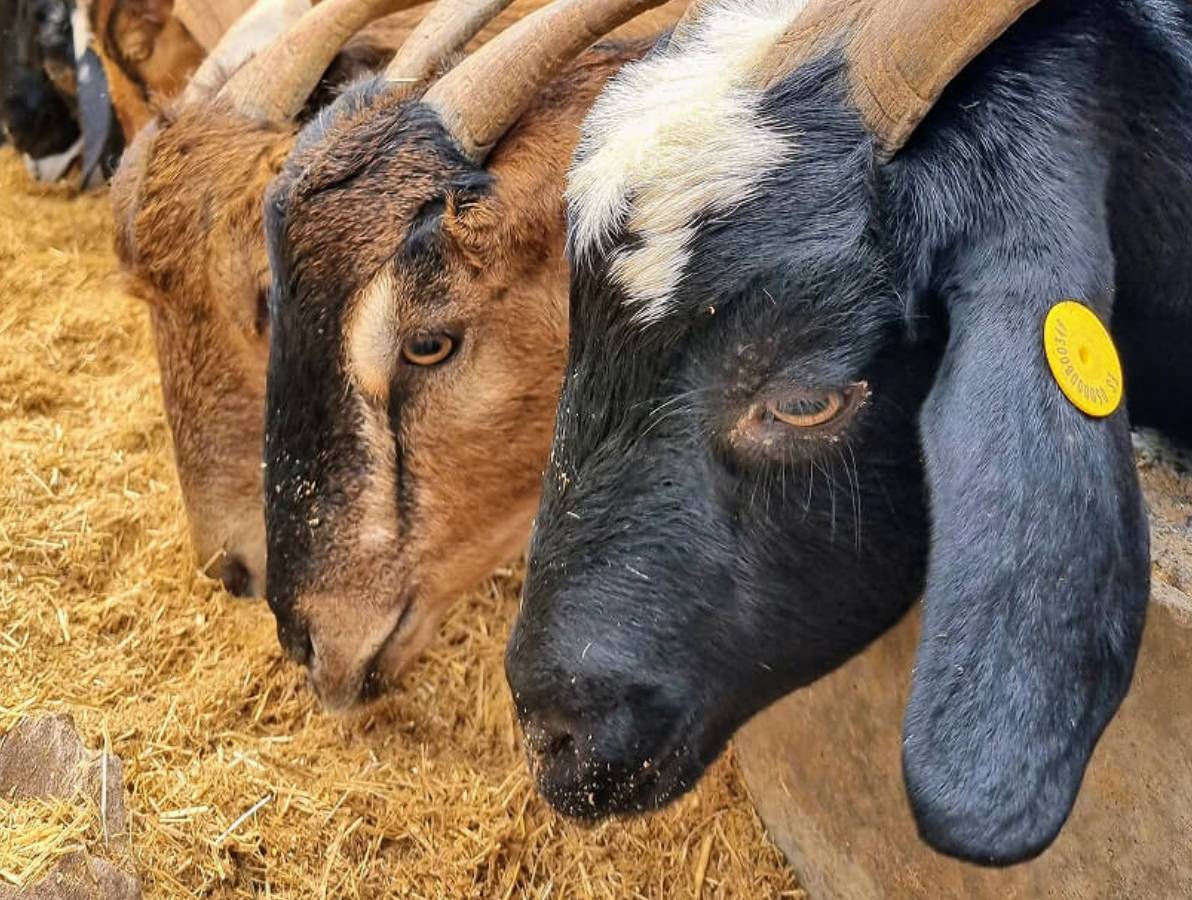
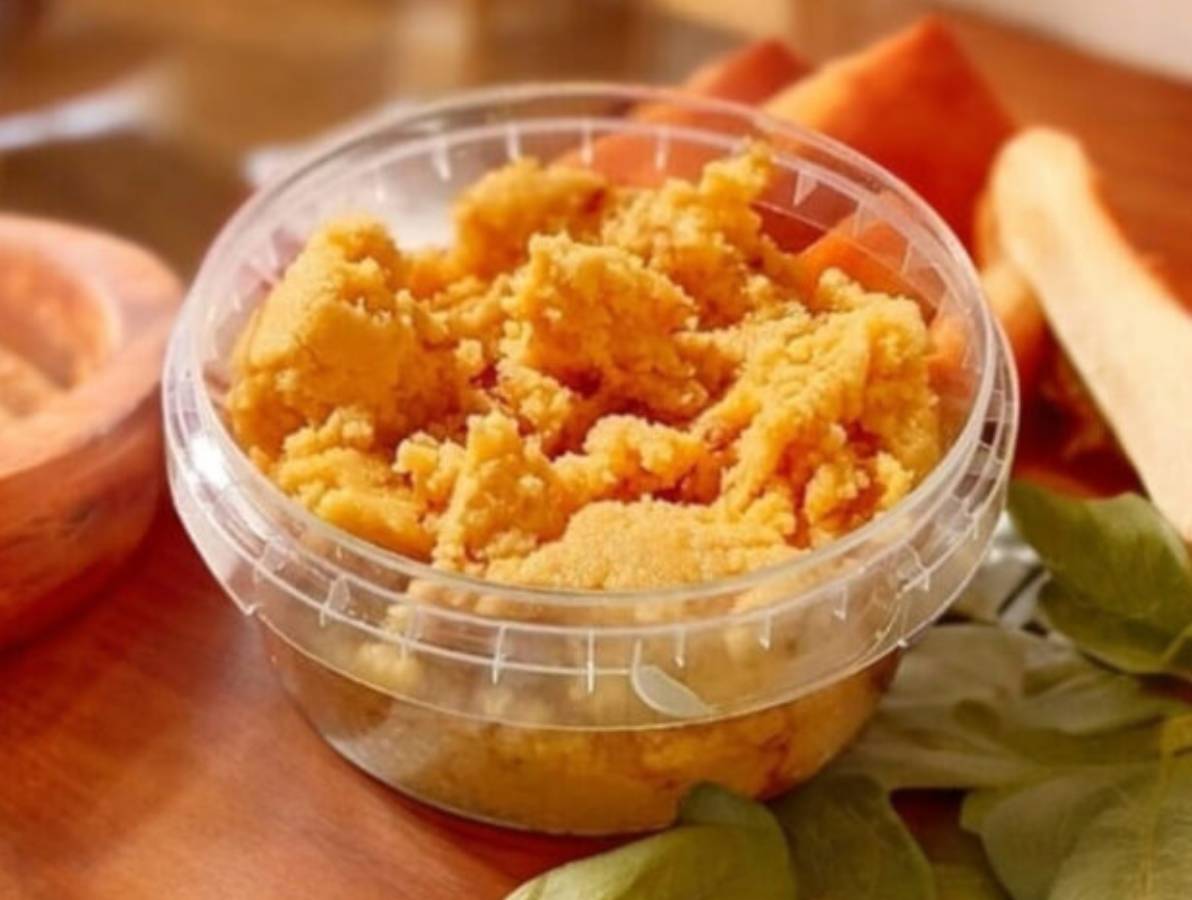
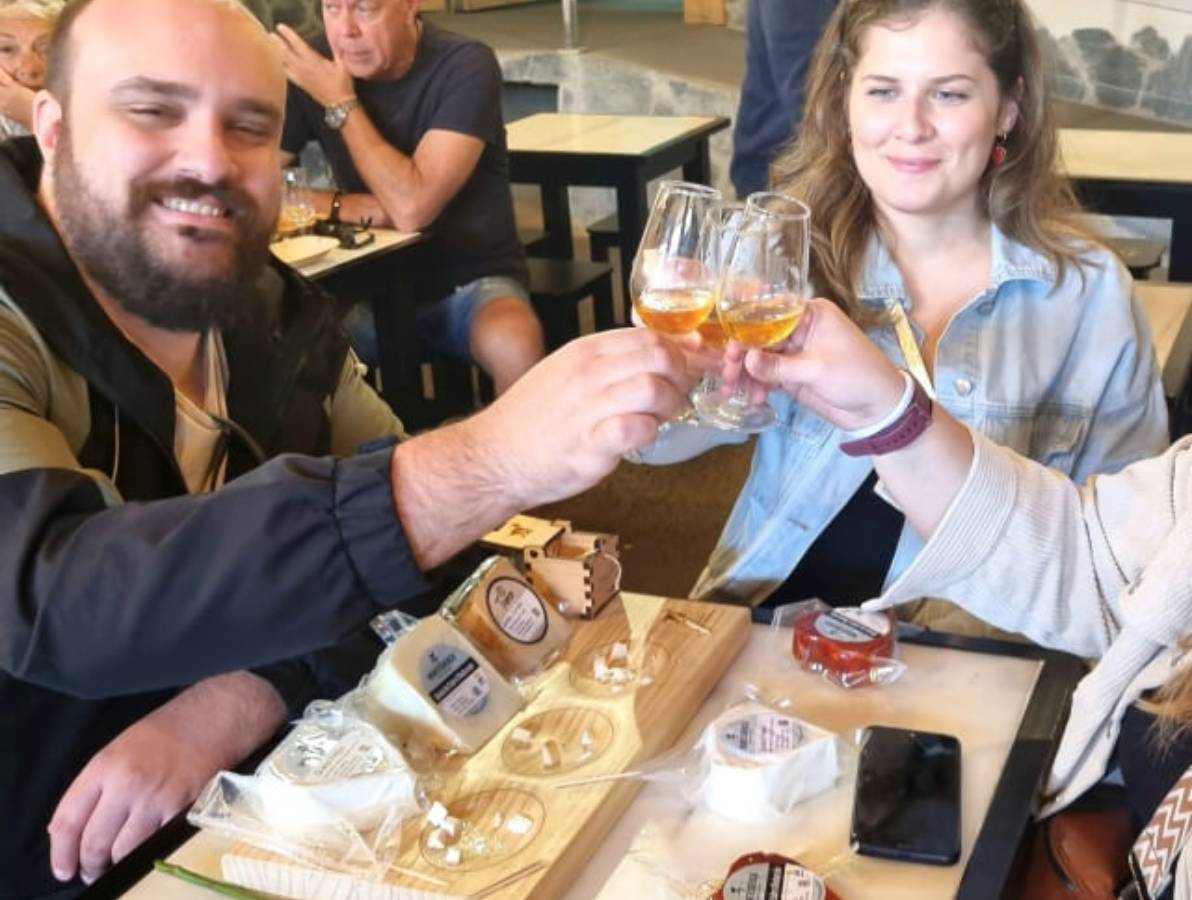
• Quesería Montesdeoca – Goat Cheese Farm
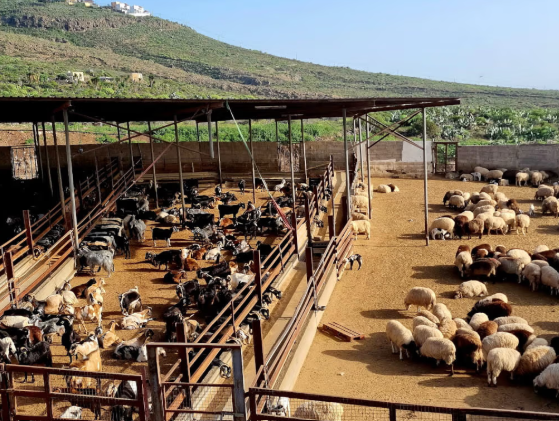
Founded in 1984, Quesería Montesdeoca is a sustainable family-run farm and cheese factory in Adeje, Tenerife.
In 2017, its work gained international recognition when it received the Super Gold Award at the World Cheese Awards. Today, Montesdeoca is one of Tenerife’s most awarded cheesemakers, with more than 126 prizes in international, national, and regional competitions.
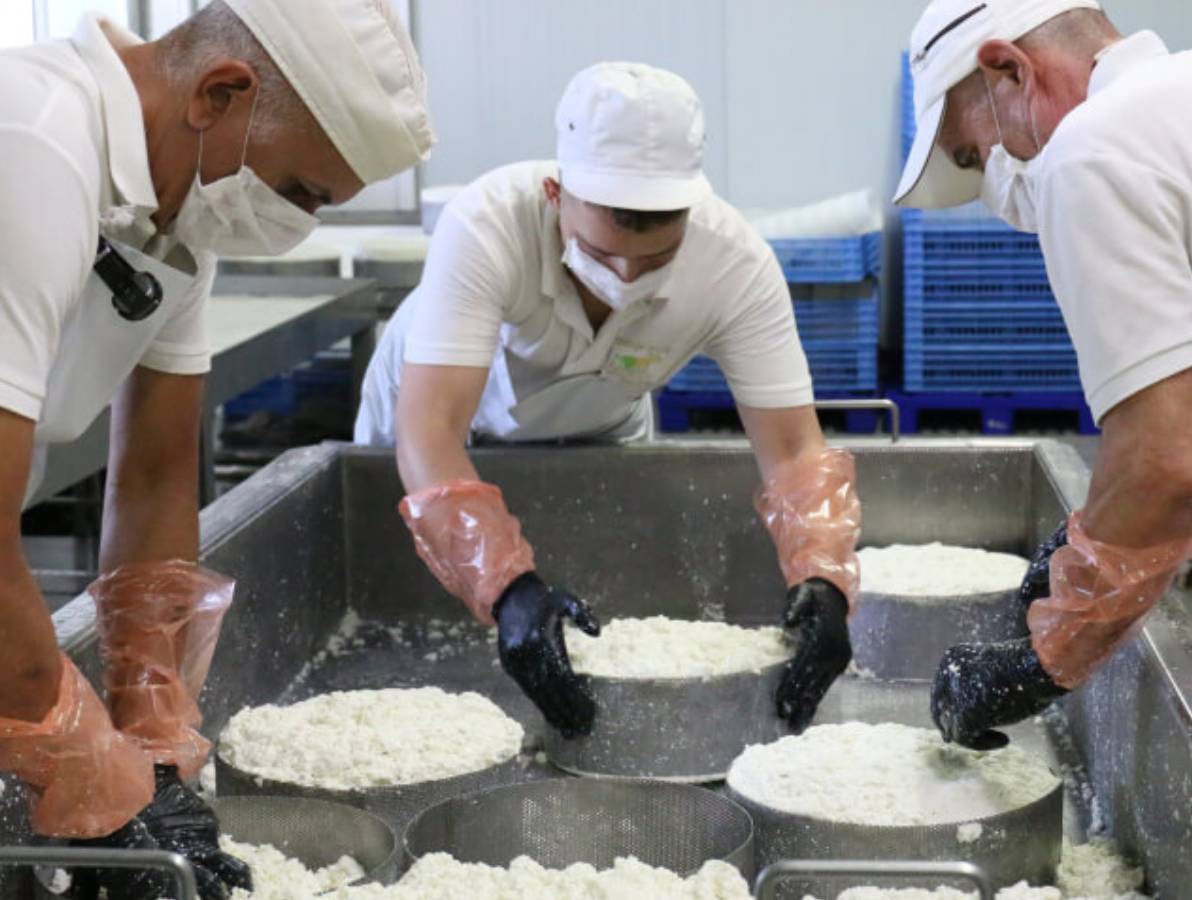
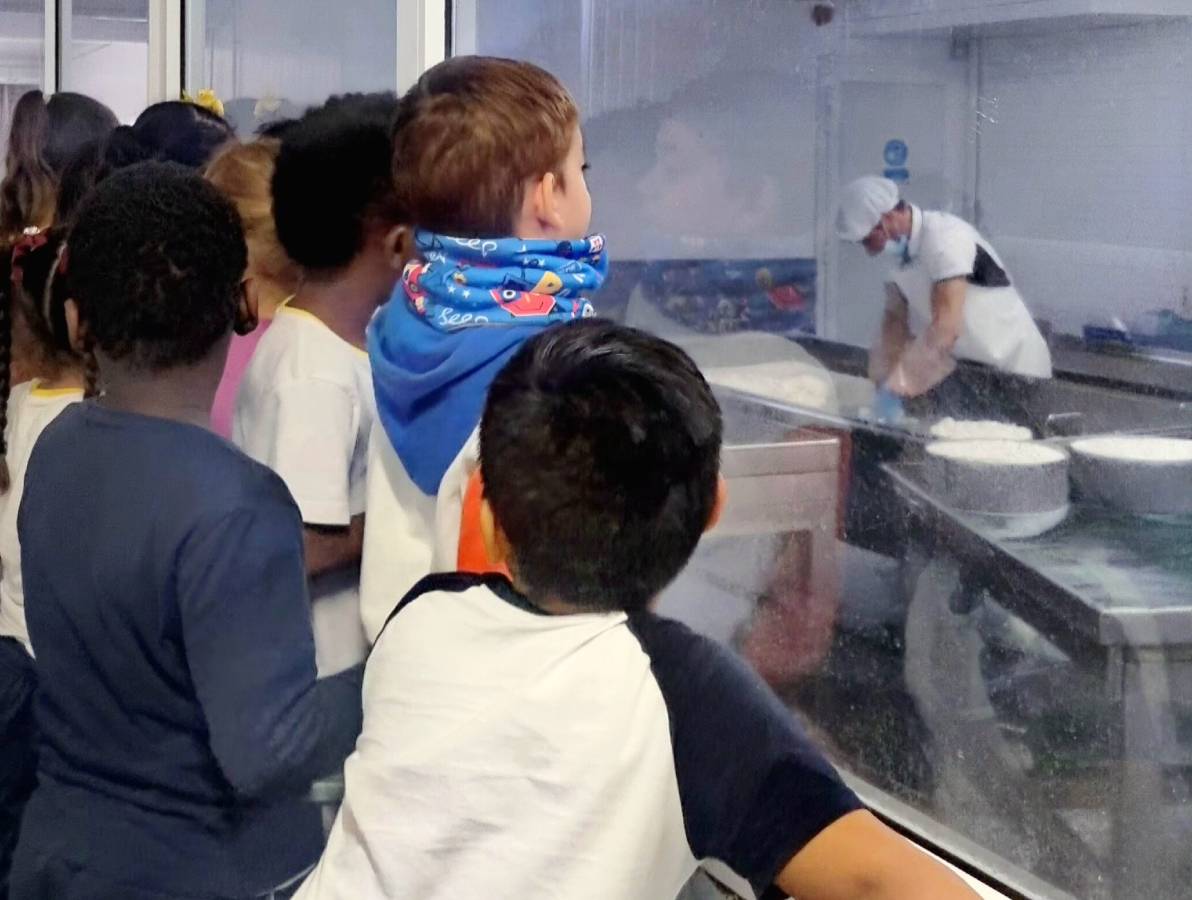
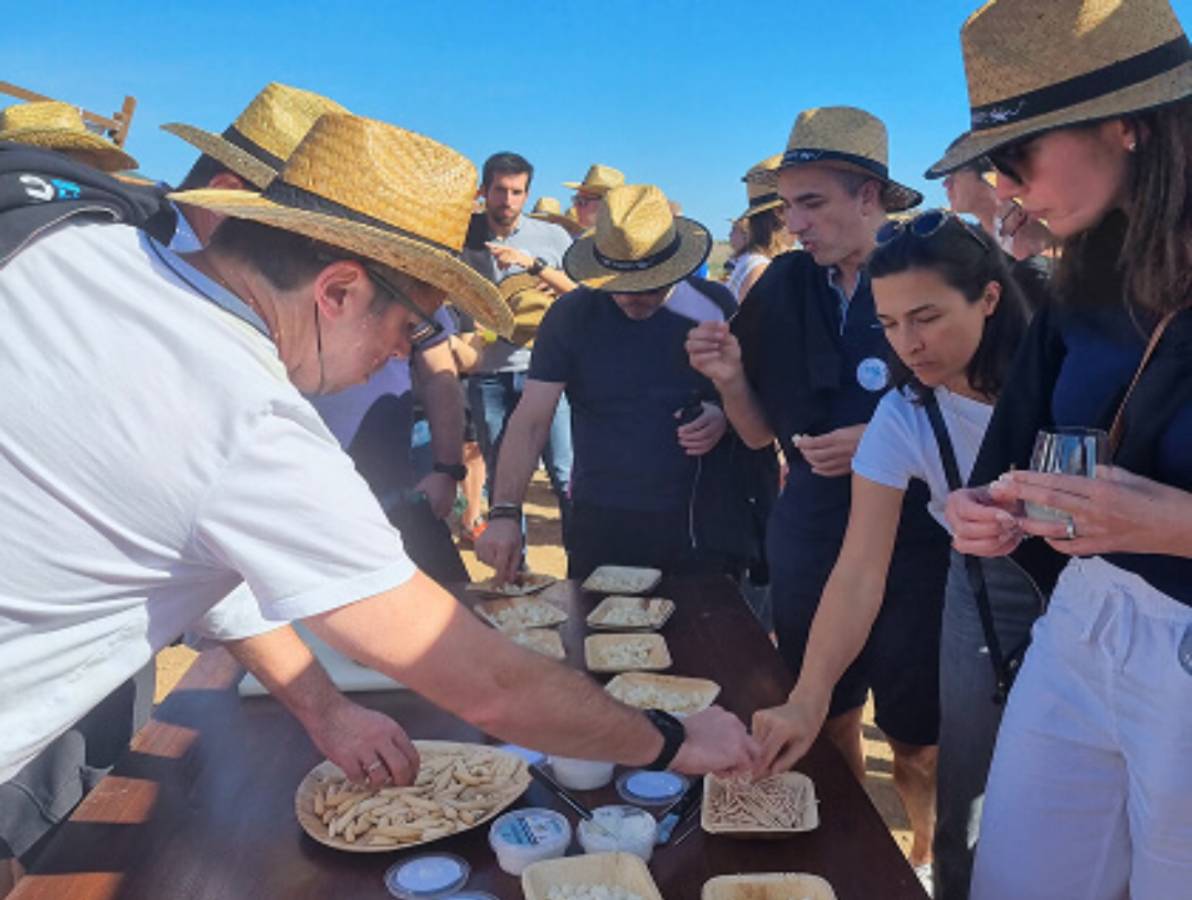
Through guided farm visits, students can discover traditional goat cheese production, learn about sustainable farming, and experience an authentic part of Tenerife’s rural and gastronomic culture.
• Banana Cultivation in Tenerife
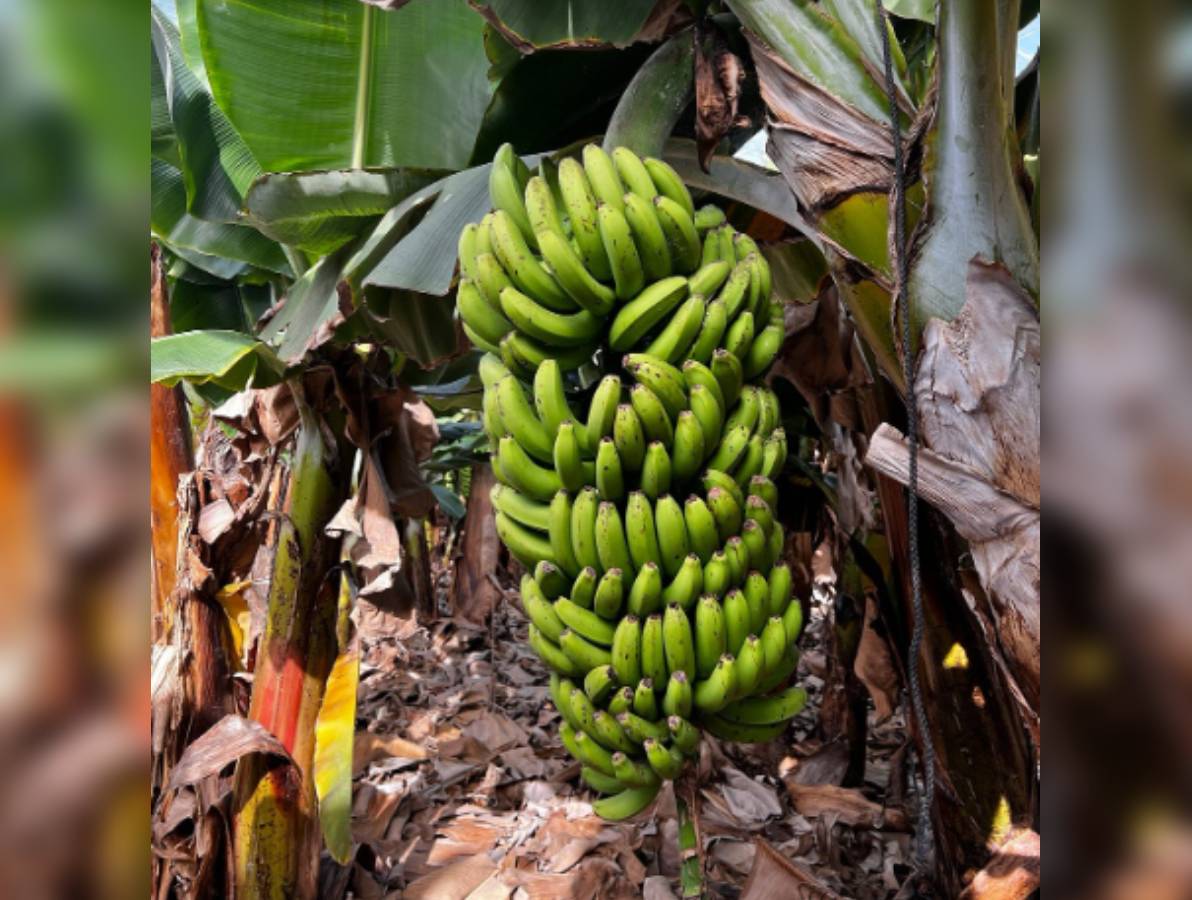
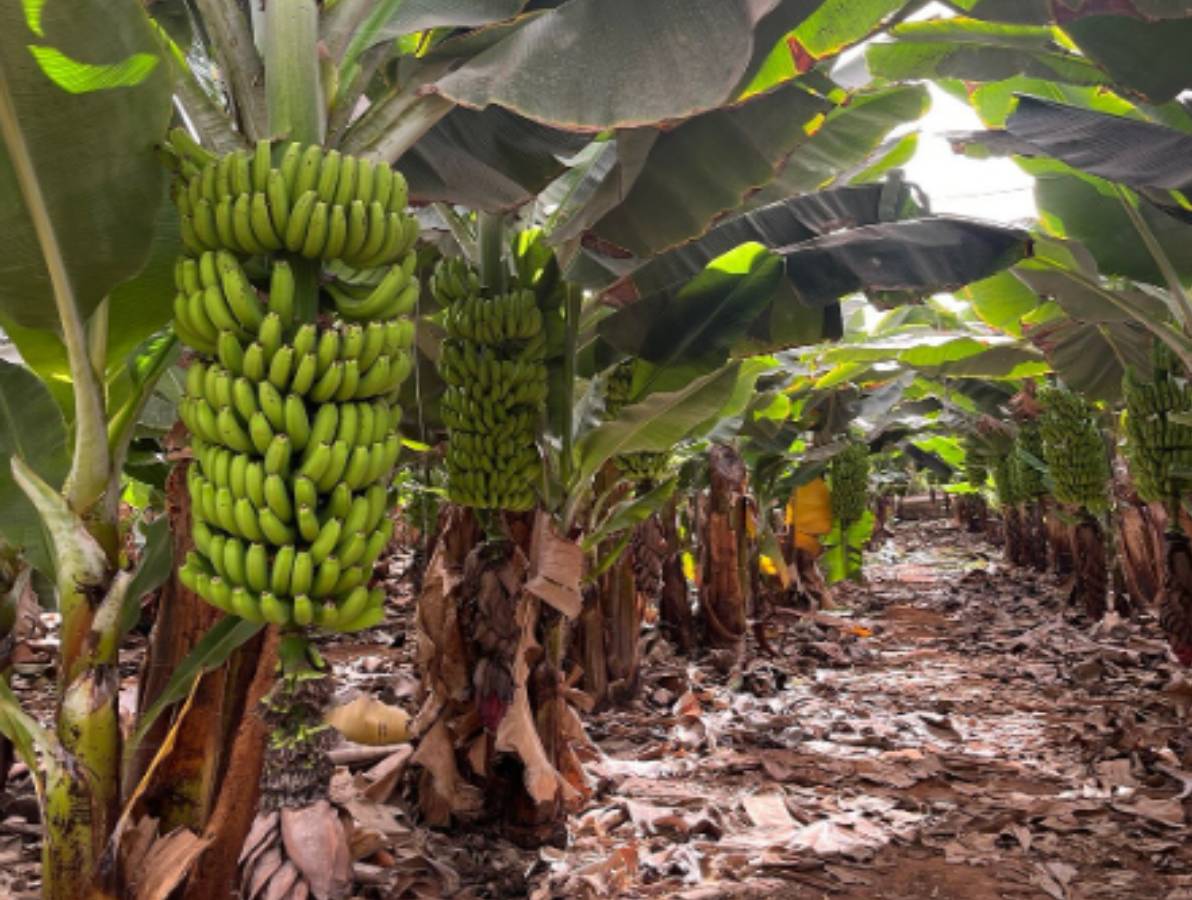
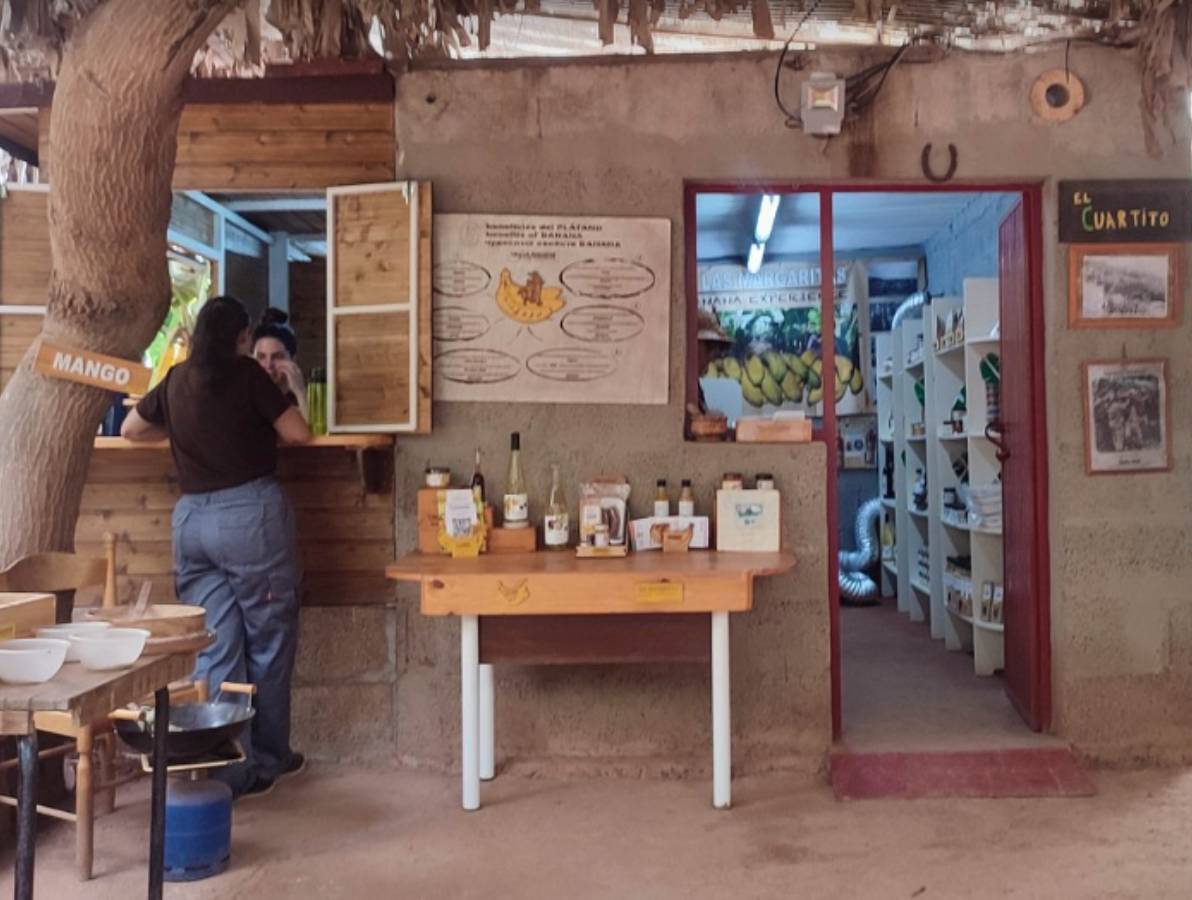
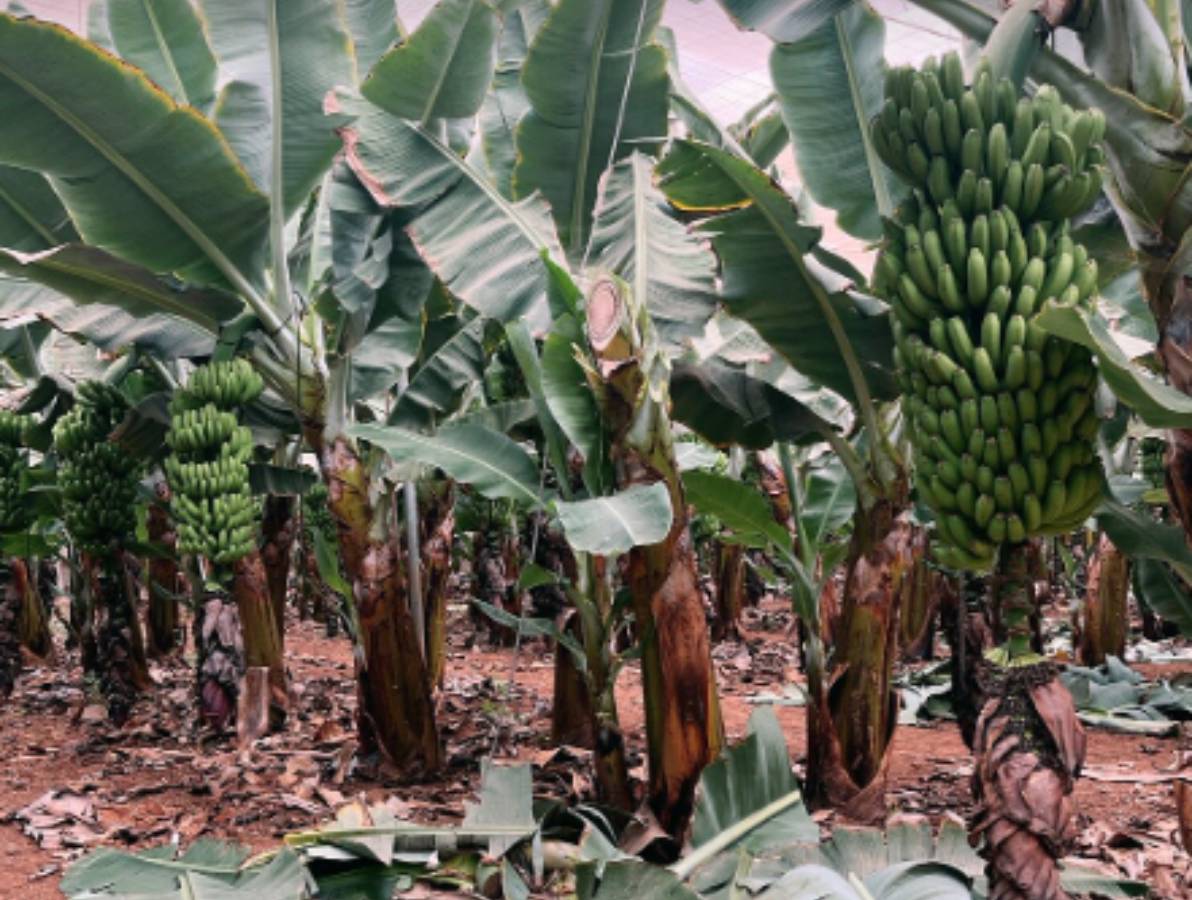
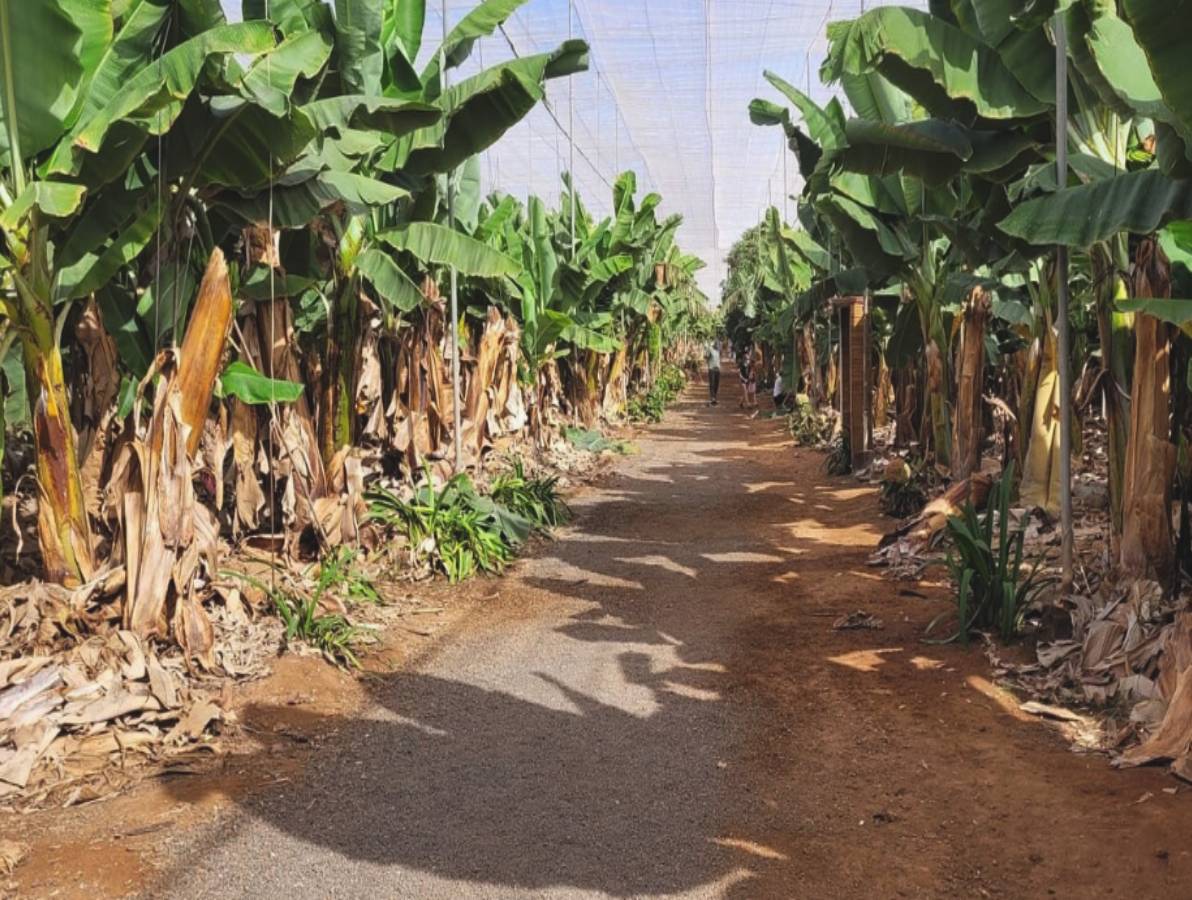
Banana cultivation is one of the most representative agricultural activities in Tenerife and an essential part of the island’s identity. Thanks to its mild subtropical climate, volcanic soil and long farming tradition, Tenerife offers ideal conditions for growing the famous Plátano de Canarias, a banana known for its sweet flavour, creamy texture and distinctive appearance.
Banana plantations are deeply connected to the island’s rural landscape and economy. For generations, this crop has shaped local farming communities, traditional irrigation systems and the way agricultural land is used across the island. The Plátano de Canarias is also protected at the European level as a Protected Geographical Indication (PGI), which highlights its origin, quality and strong link to the Canary Islands.
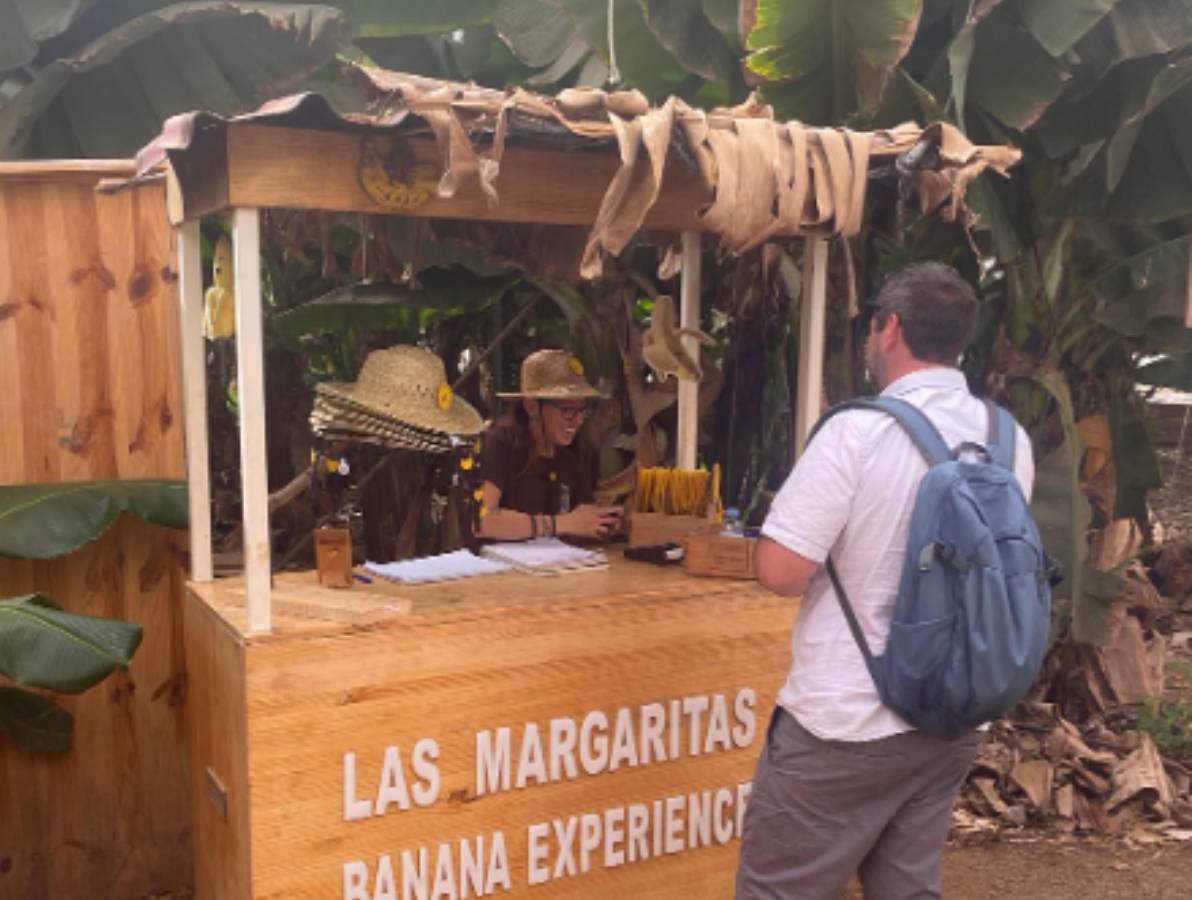
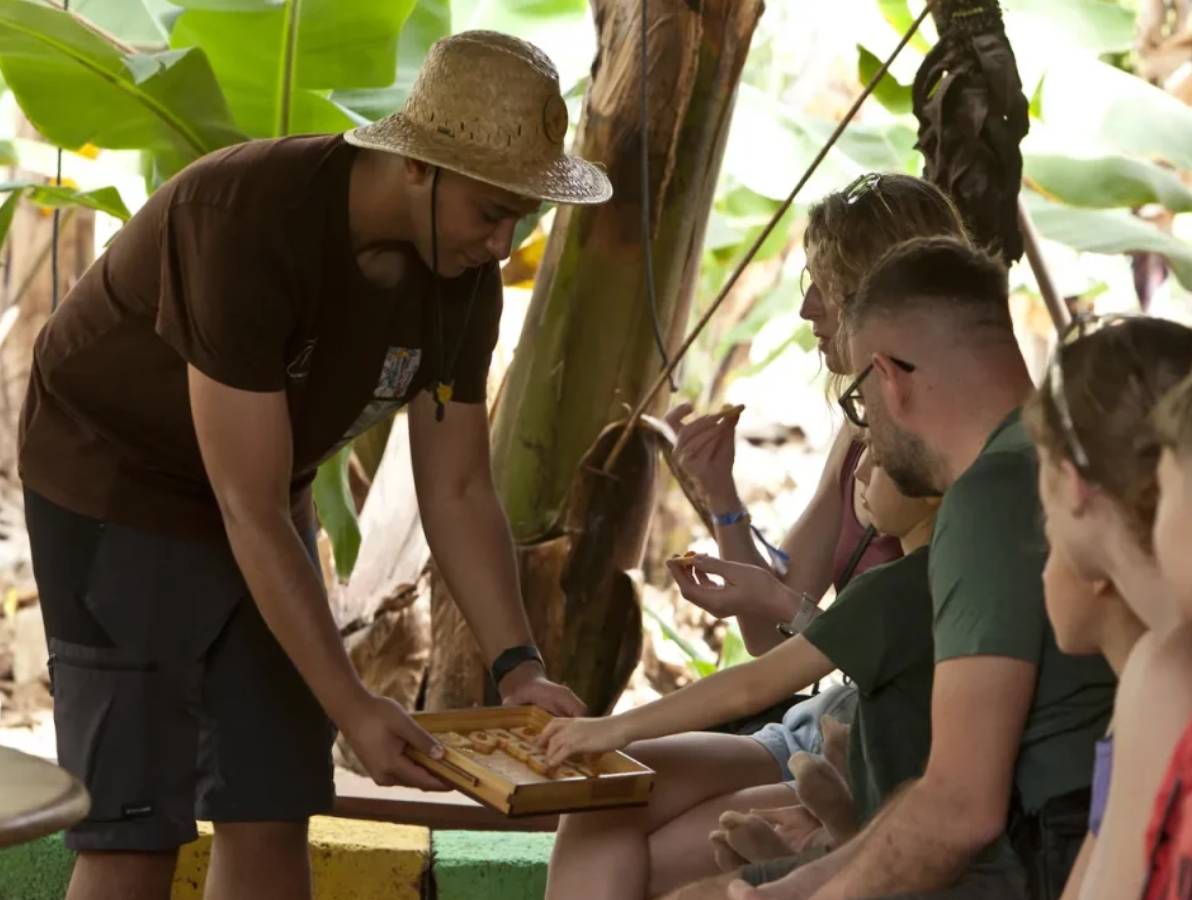
A visit to a banana plantation allows participants to discover the full production process, from planting and irrigation to plant care, harvesting, packaging and distribution. It also offers an insight into how local farmers adapt their work to Tenerife’s climate, volcanic terrain and water resources.
For Erasmus participants, this experience is a practical and engaging way to explore Tenerife beyond the usual tourist routes. It combines agriculture, sustainability, local heritage, rural tourism and gastronomy, while showing how one local product can represent so much of the island’s culture and economy.
• Casa de la Miel — Traditional Beekeeping and Rural Heritage
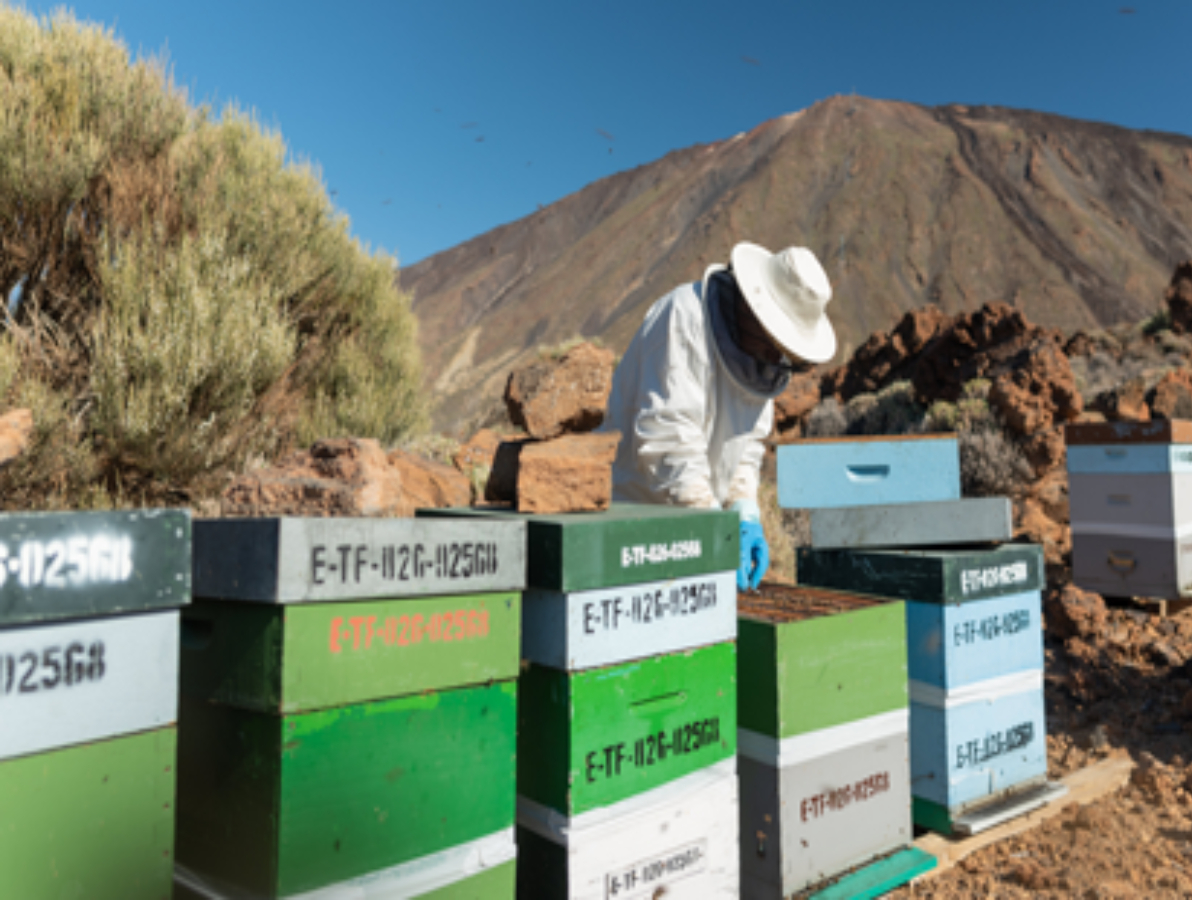
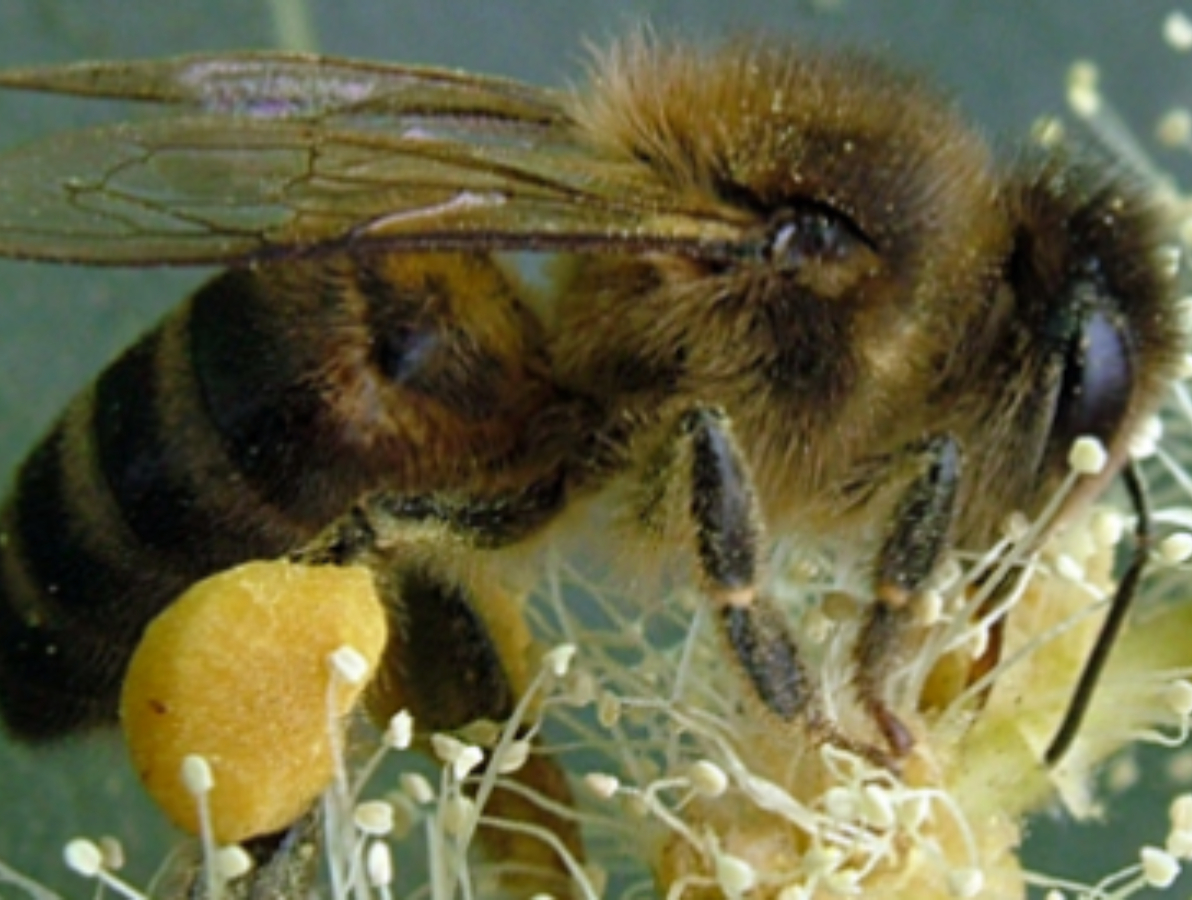
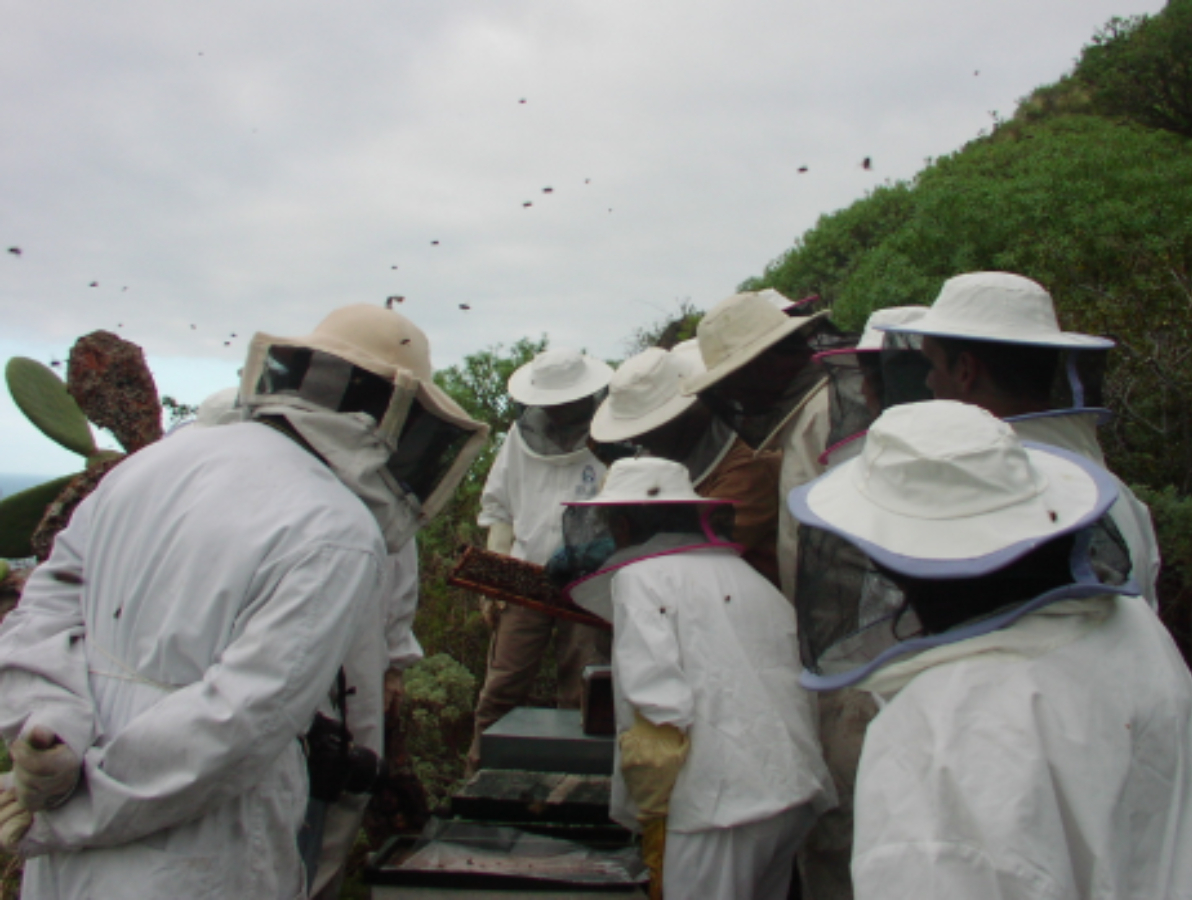
Casa de la Miel offers Erasmus+ participants the opportunity to discover one of Tenerife’s most unique rural traditions: beekeeping and honey production. Located in El Sauzal, this cultural and educational centre is dedicated to preserving local apiculture, supporting beekeepers, and promoting the quality of Tenerife’s honey.
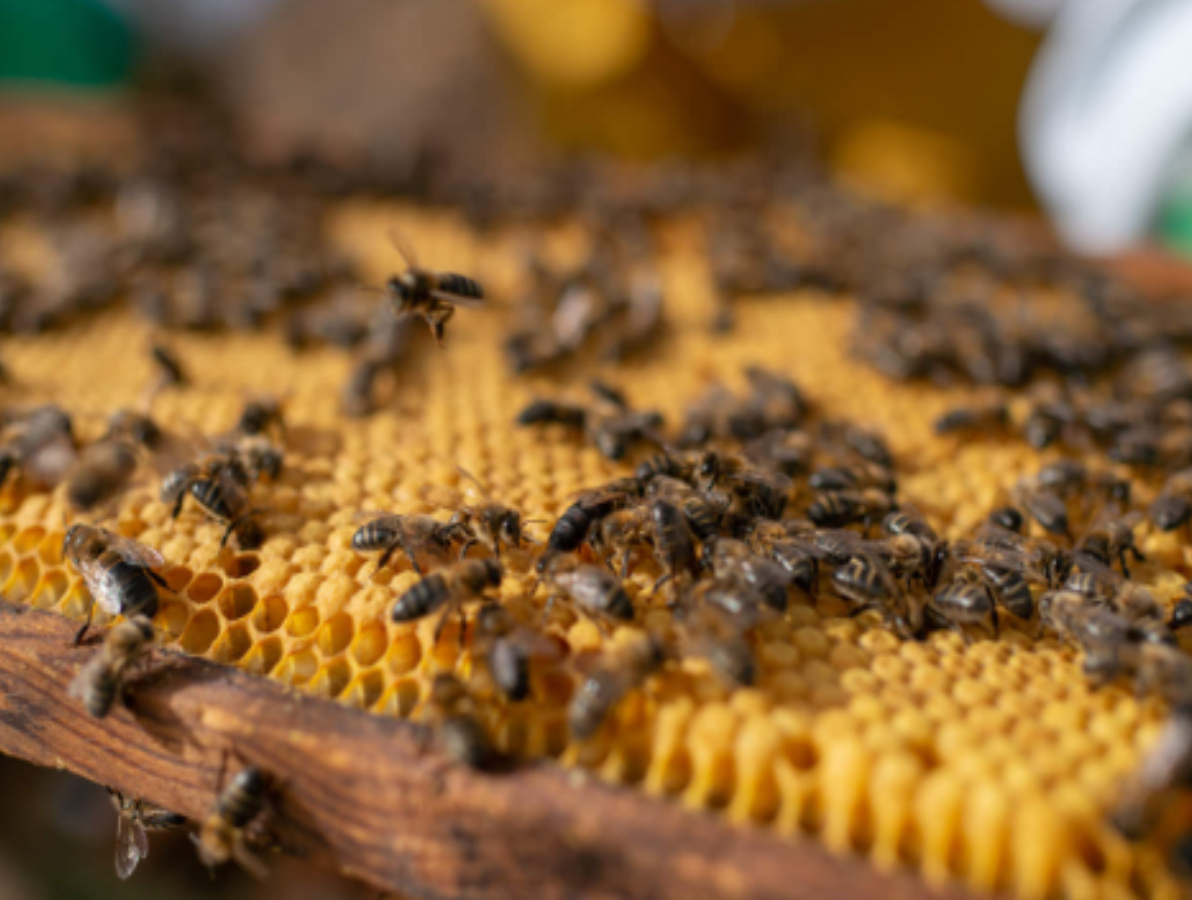
During the visit, participants can learn how the island’s biodiversity, volcanic landscape, and variety of native plants influence honey production. The experience connects agriculture, gastronomy, ecology, pollination, and environmental protection, showing the important role bees play in both nature and local food culture.
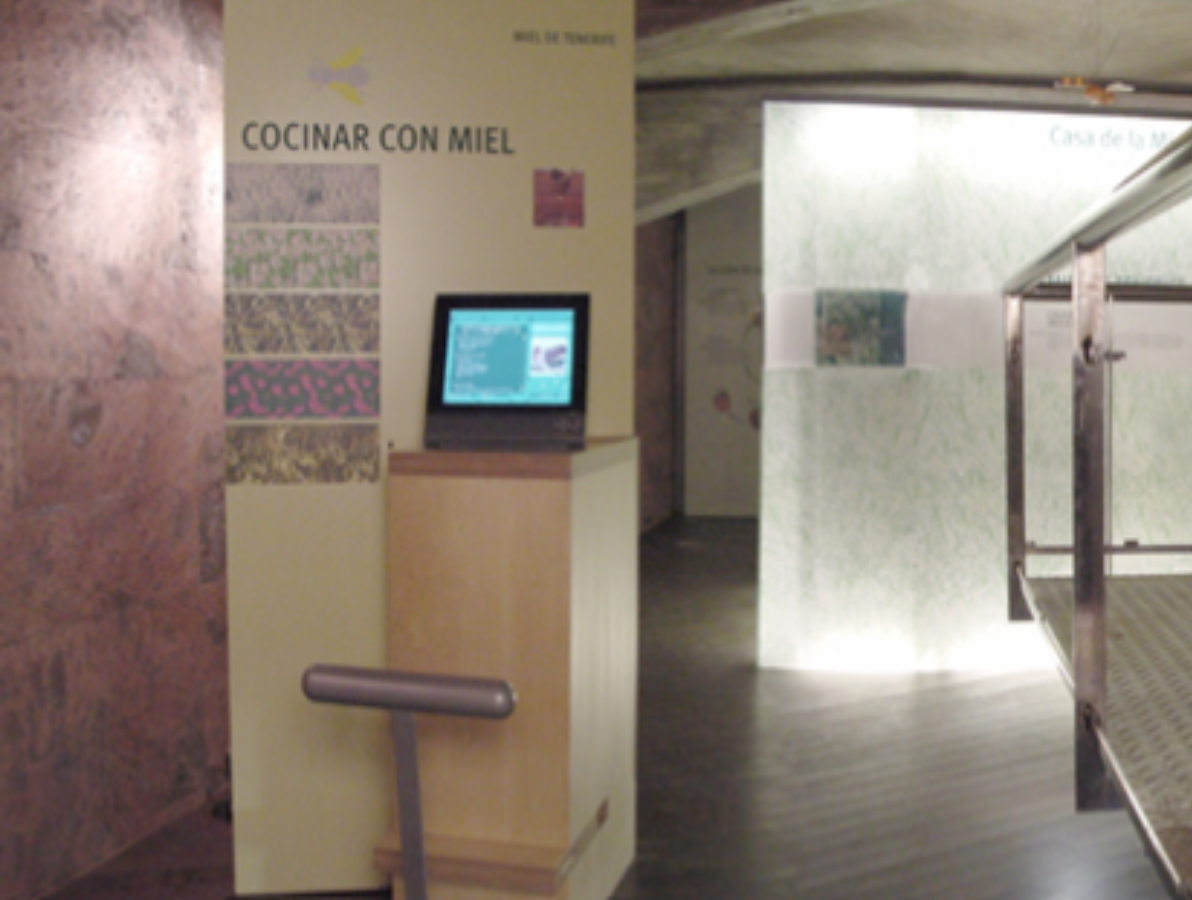
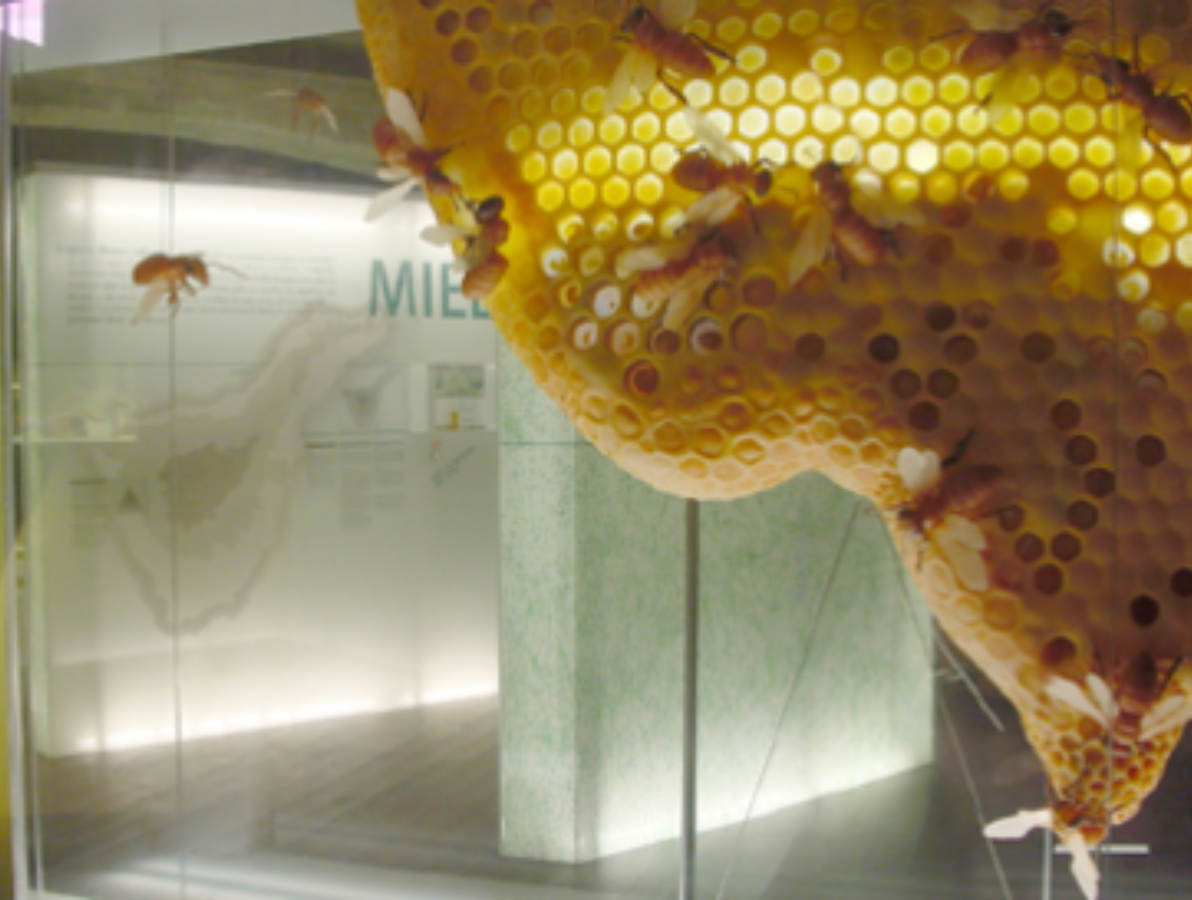
Through its exhibitions and educational activities, Casa de la Miel helps participants understand traditional beekeeping practices and the value of protecting rural knowledge. The visit also highlights the importance of sustainable environmental practices and the preservation of local products with a strong cultural identity.
For Erasmus+ participants, Casa de la Miel is a valuable example of how biodiversity, tradition, and education can come together to support sustainable rural development in Tenerife.

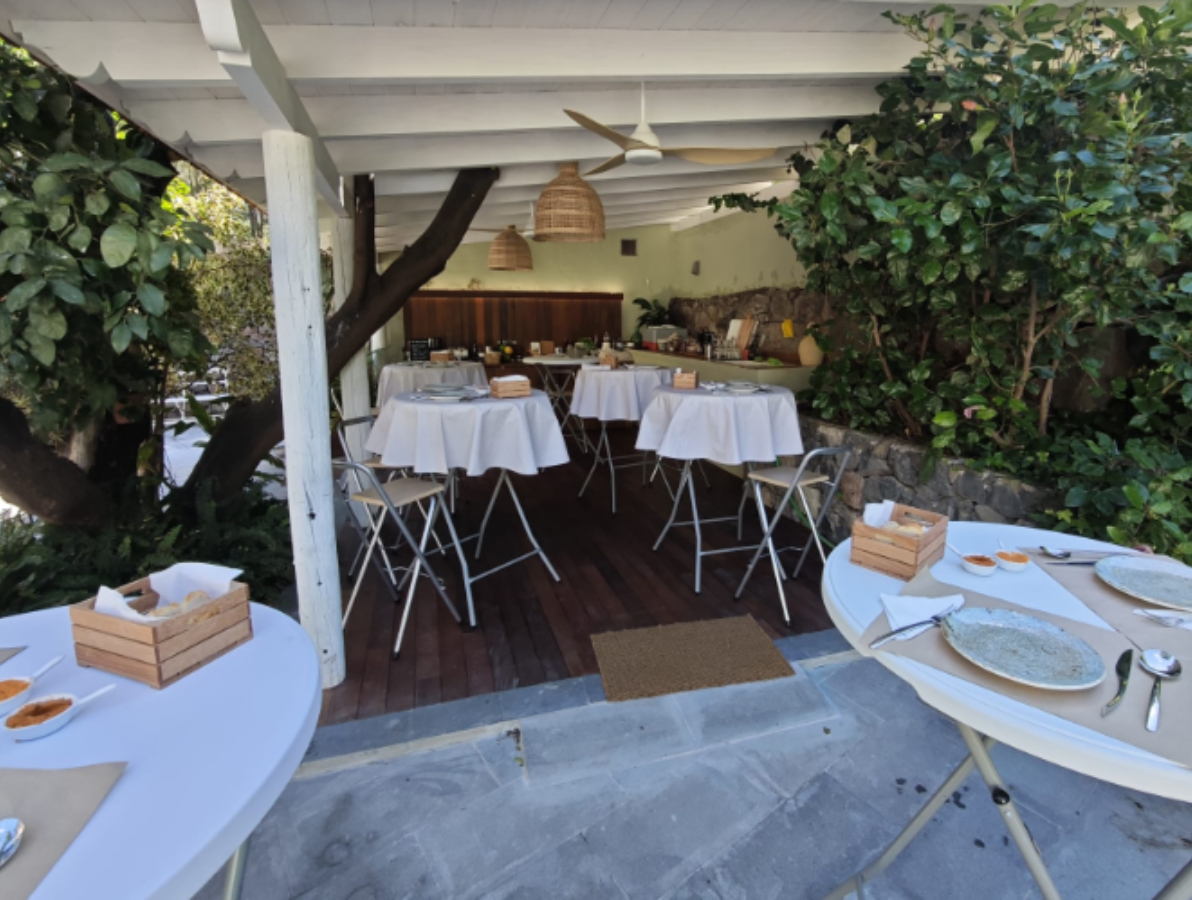
• Tahodio Avocado Experience — Sustainable Farming in Anaga
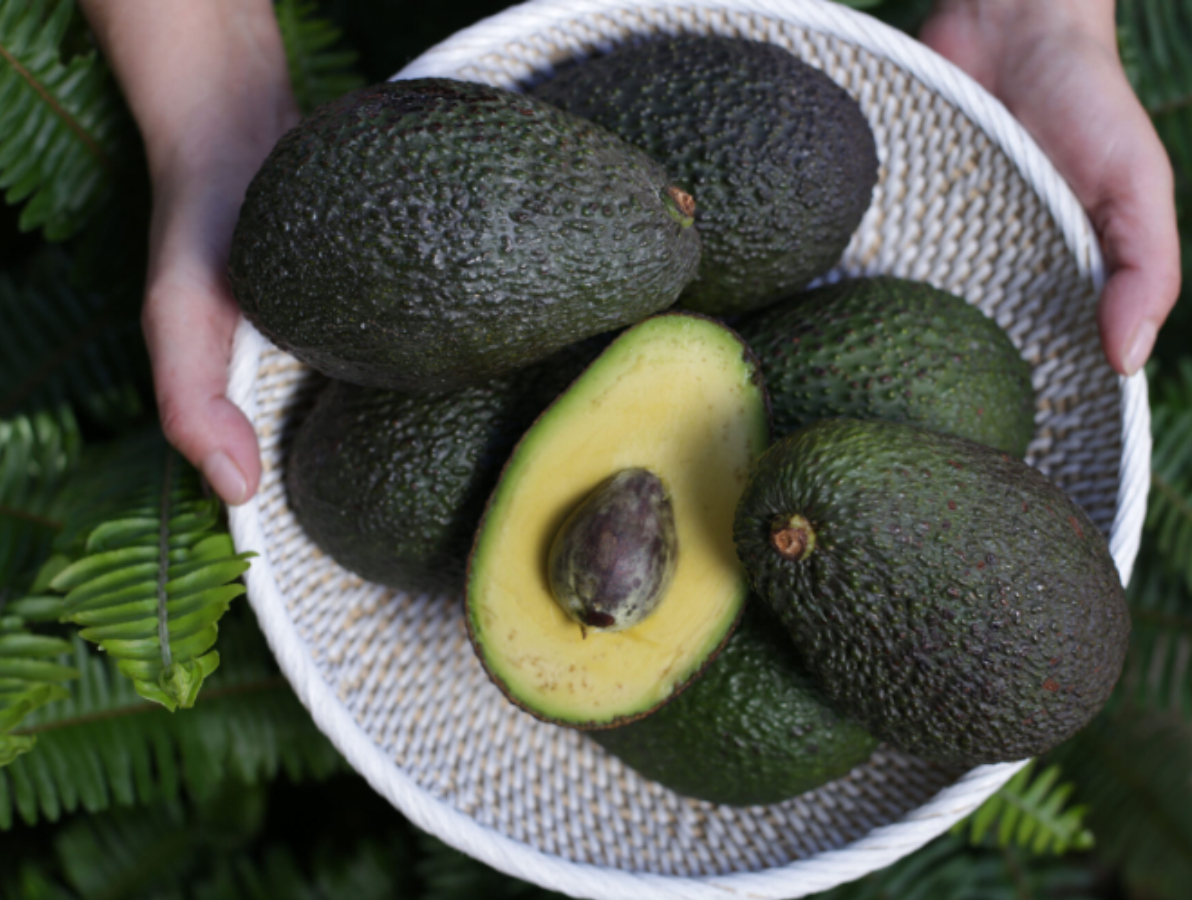
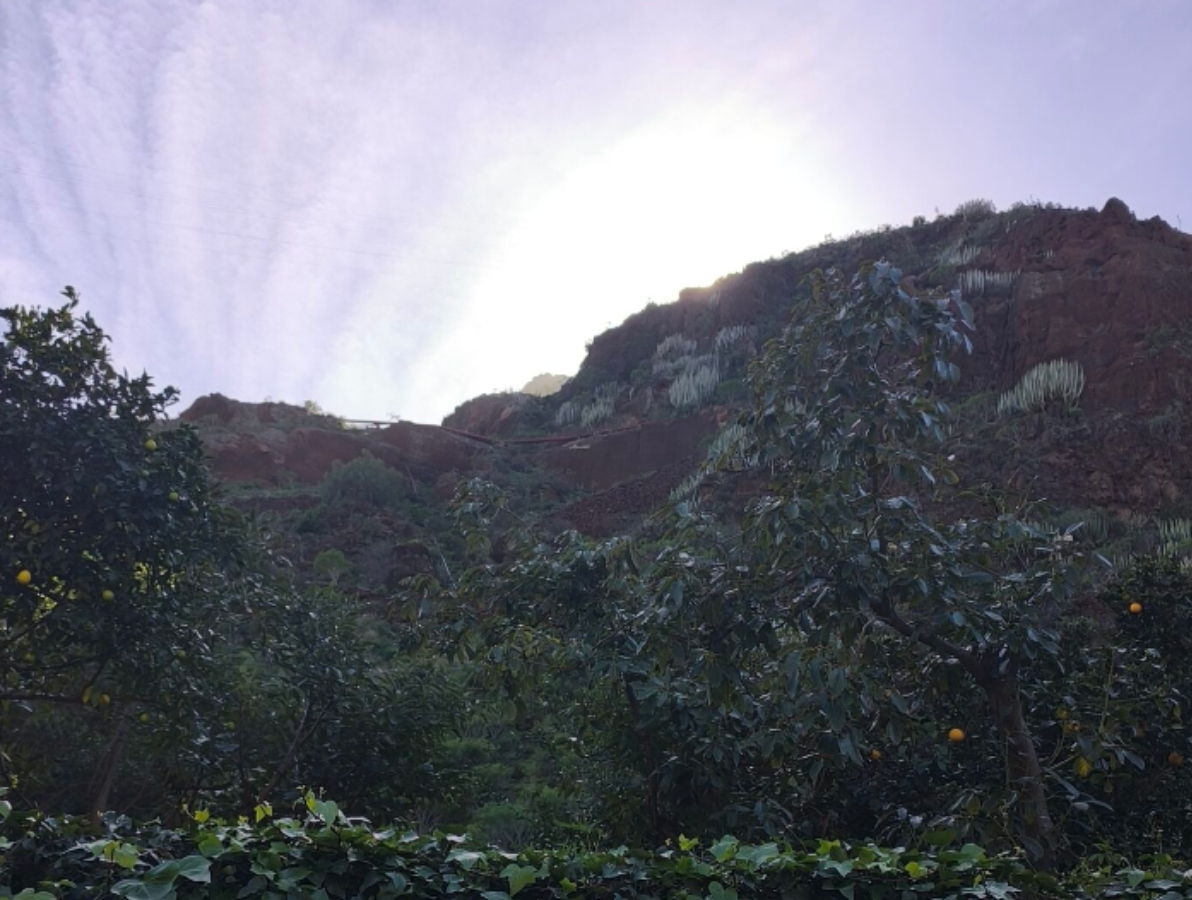
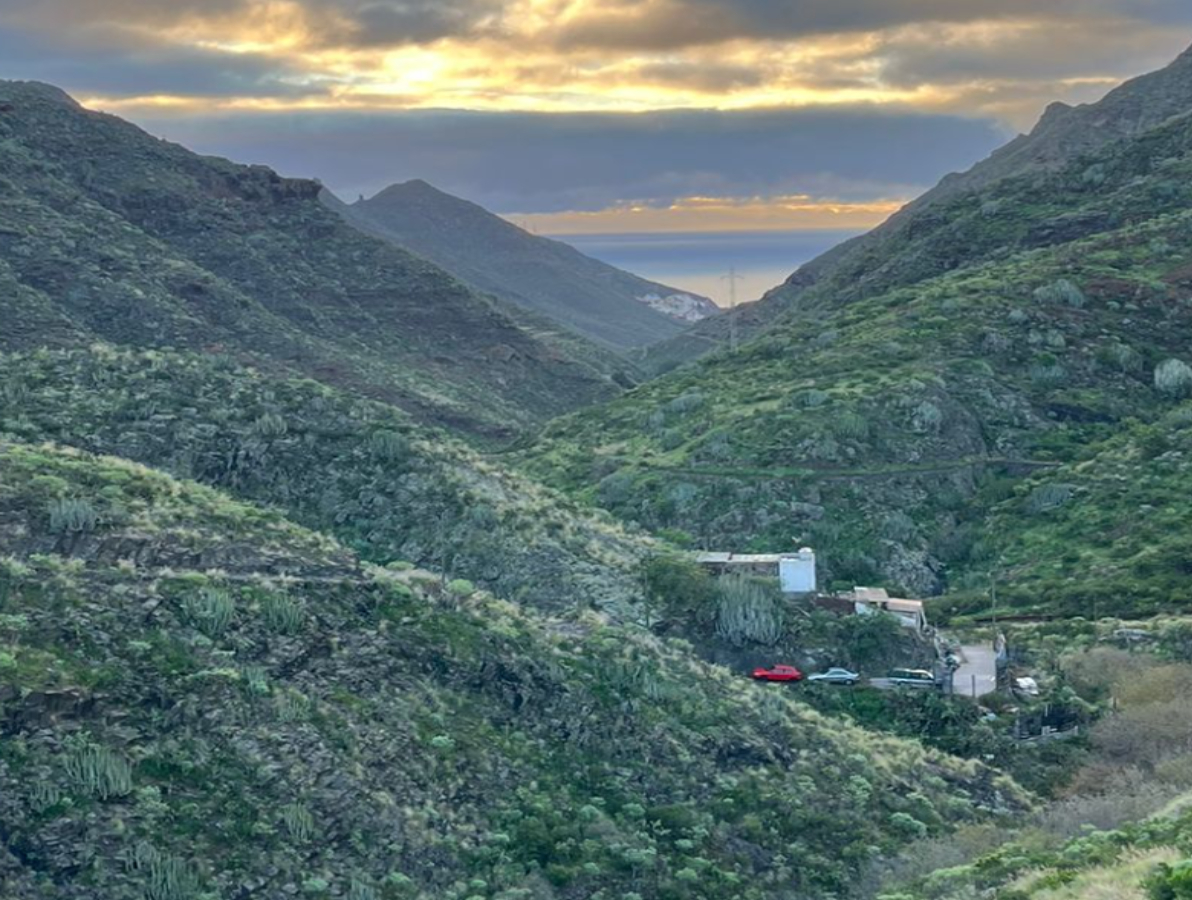
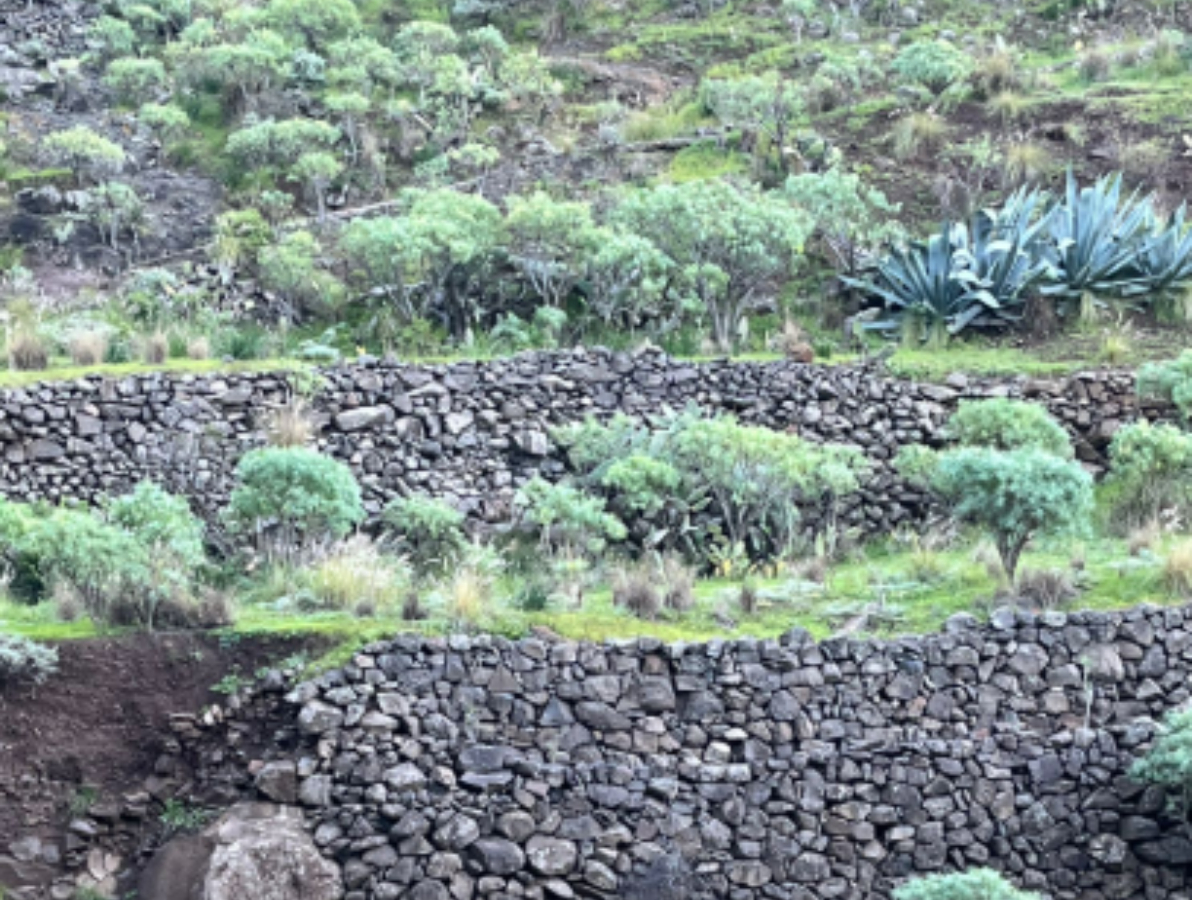
Tahodio Avocado Experience offers Erasmus+ participants the opportunity to discover a more authentic and ecological side of Tenerife. Located in the green valleys of Anaga, this family-run organic farm focuses on sustainable agriculture, biodiversity, and local food education.
During the visit, participants can explore avocado and subtropical fruit orchards while learning how ecological farming works in practice. The experience connects agriculture, climate, soil, water use, biodiversity, and responsible food production, showing how local farms can respond to modern environmental challenges.
Through interactive walking tours, participants can better understand the importance of sustainable cultivation and the connection between rural communities and the natural landscape. The visit also highlights how small-scale farming can support local identity, environmental awareness, and healthier food systems.
For Erasmus+ participants, Tahodio Avocado Experience is a valuable example of how education, sustainability, and community-based agriculture can come together in real life.
• Bodegas Monje — Volcanic Viticulture in Tenerife
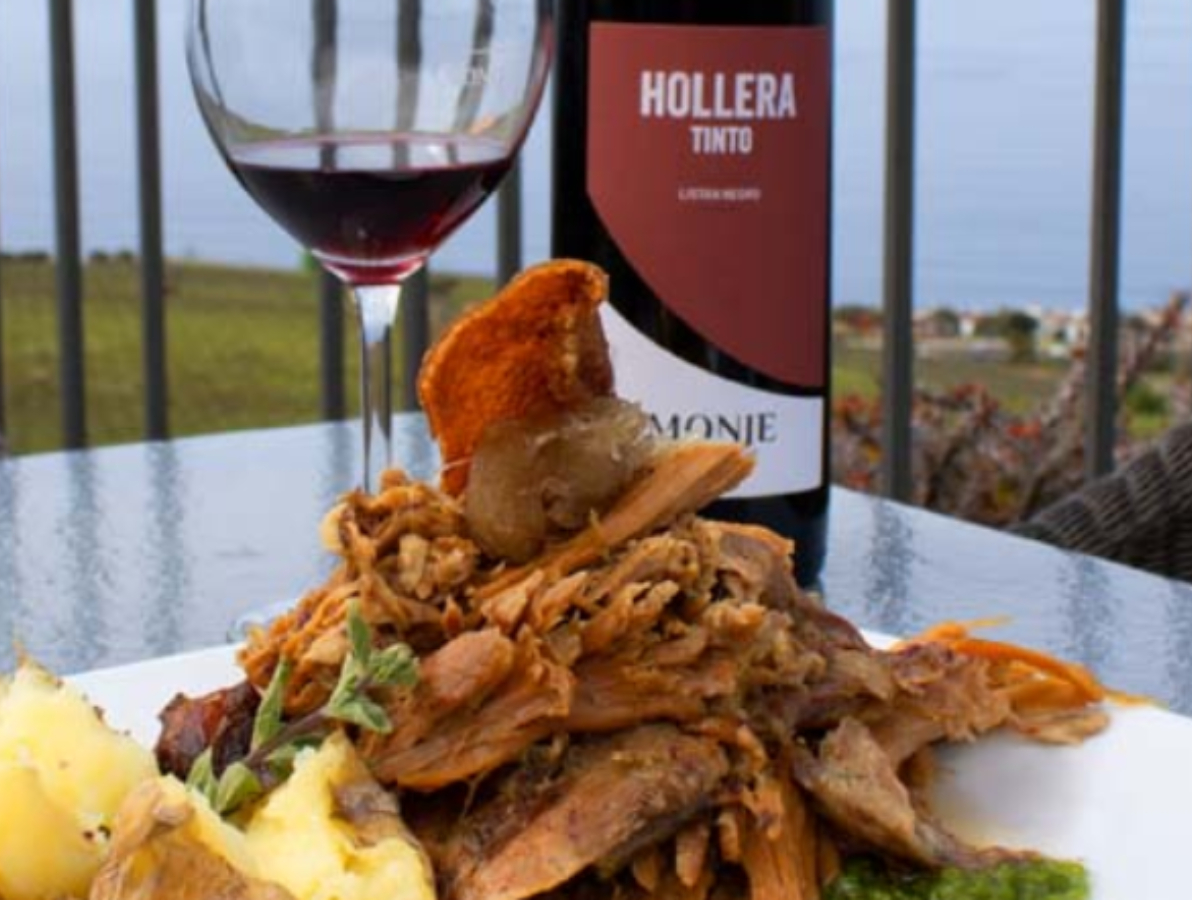
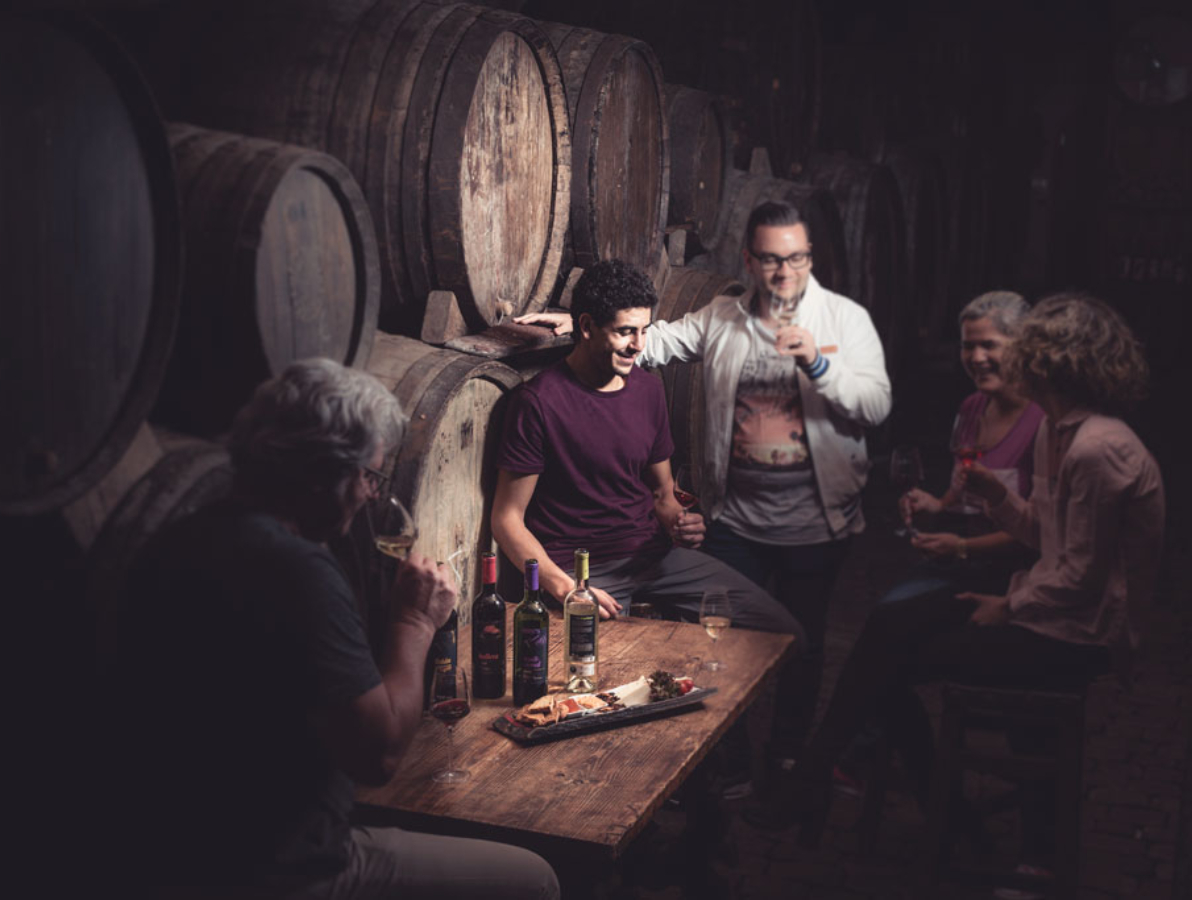
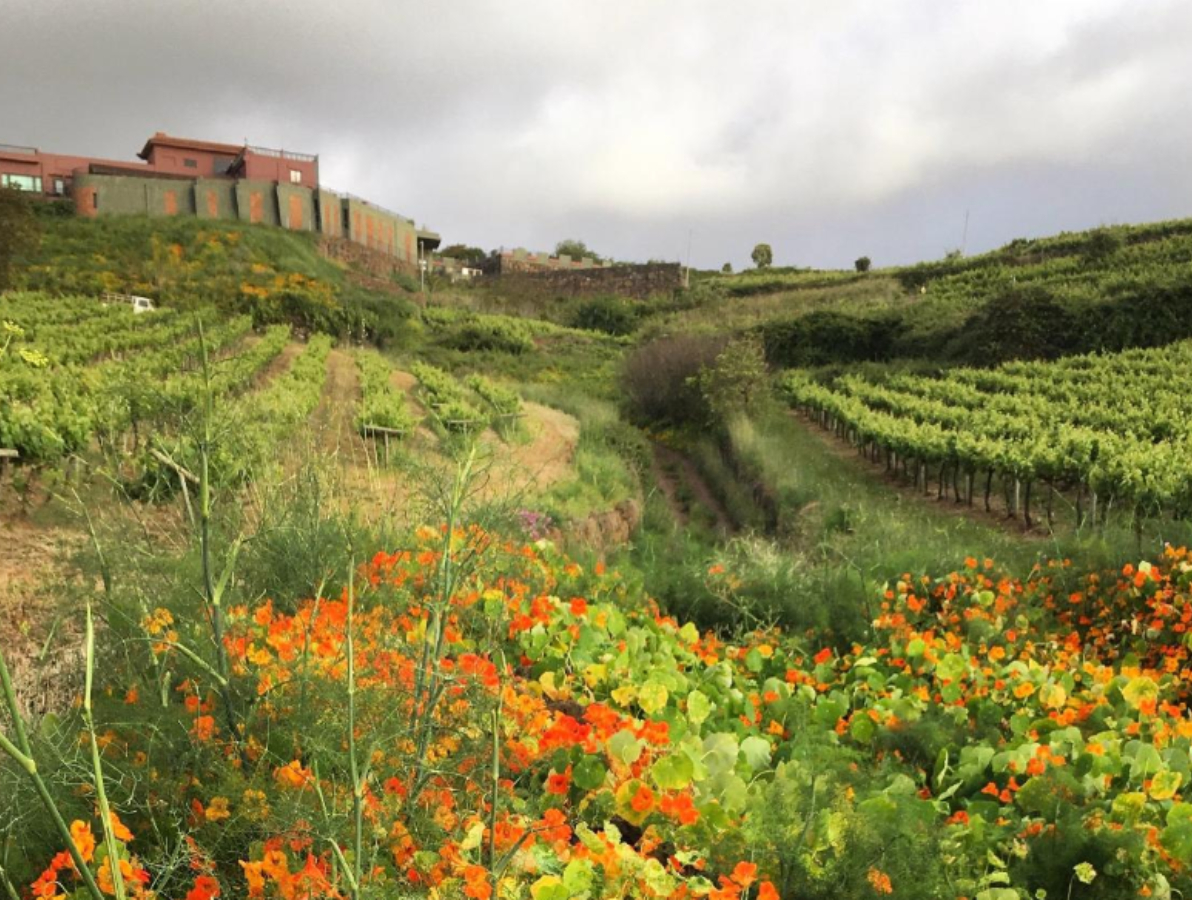
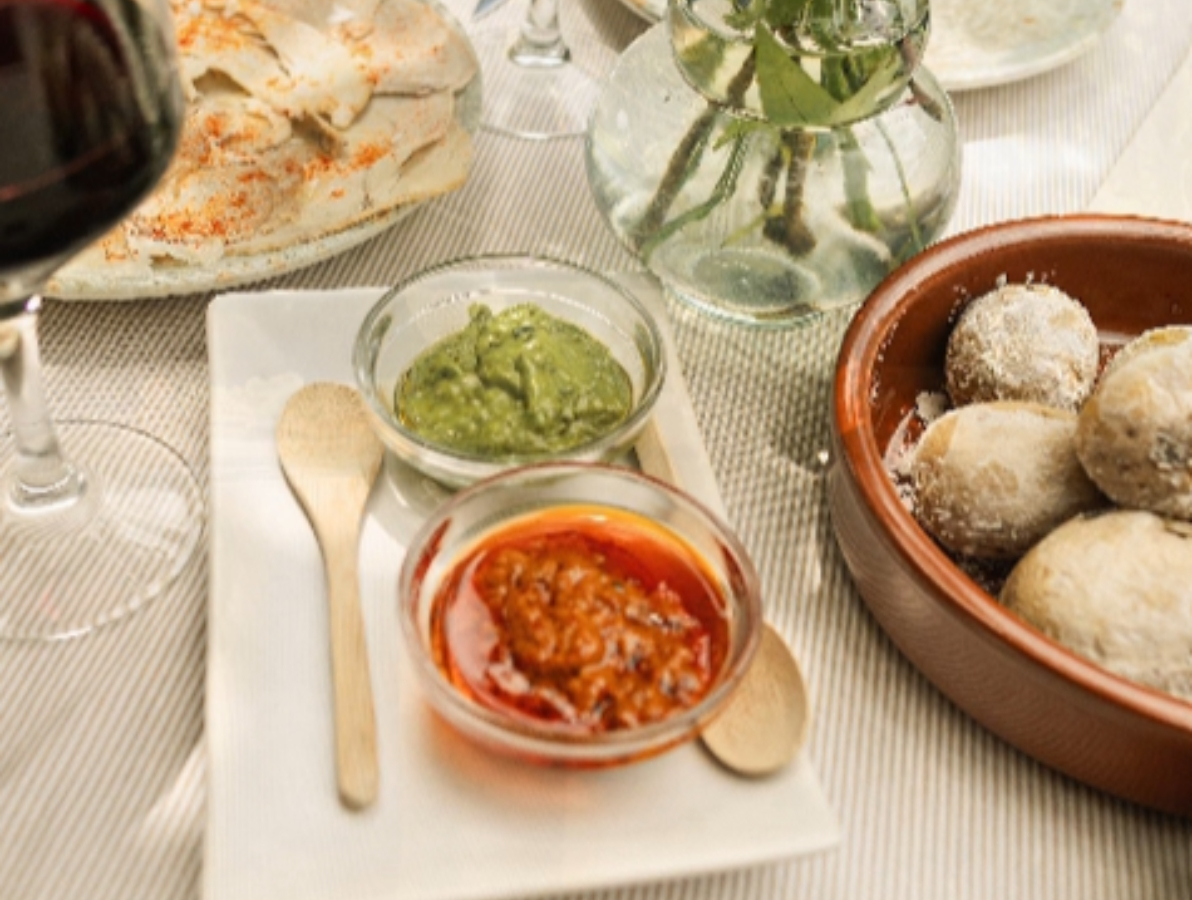
Bodegas Monje offers Erasmus+ participants the opportunity to discover one of Tenerife’s most authentic cultural and agricultural traditions: wine production on volcanic soil. Located in El Sauzal, on the northern slopes of the island, the winery combines family heritage, local identity, and sustainable viticulture.
During the visit, participants can learn how Tenerife’s volcanic landscape influences grape cultivation and gives Canarian wines their distinctive character. The experience connects agriculture, geology, climate, gastronomy, and entrepreneurship, showing how traditional practices can be adapted to modern ecological and sustainable methods.
The guided visit through the winery and its historic cellars helps participants understand the importance of local production and cultural heritage in the Canary Islands. It is not only a wine-related visit, but also an educational experience about sustainability, rural economy, responsible tourism, and the preservation of traditional knowledge.
For Erasmus+ participants, Bodegas Monje is a valuable example of how local businesses can protect their roots while innovating for the future.